

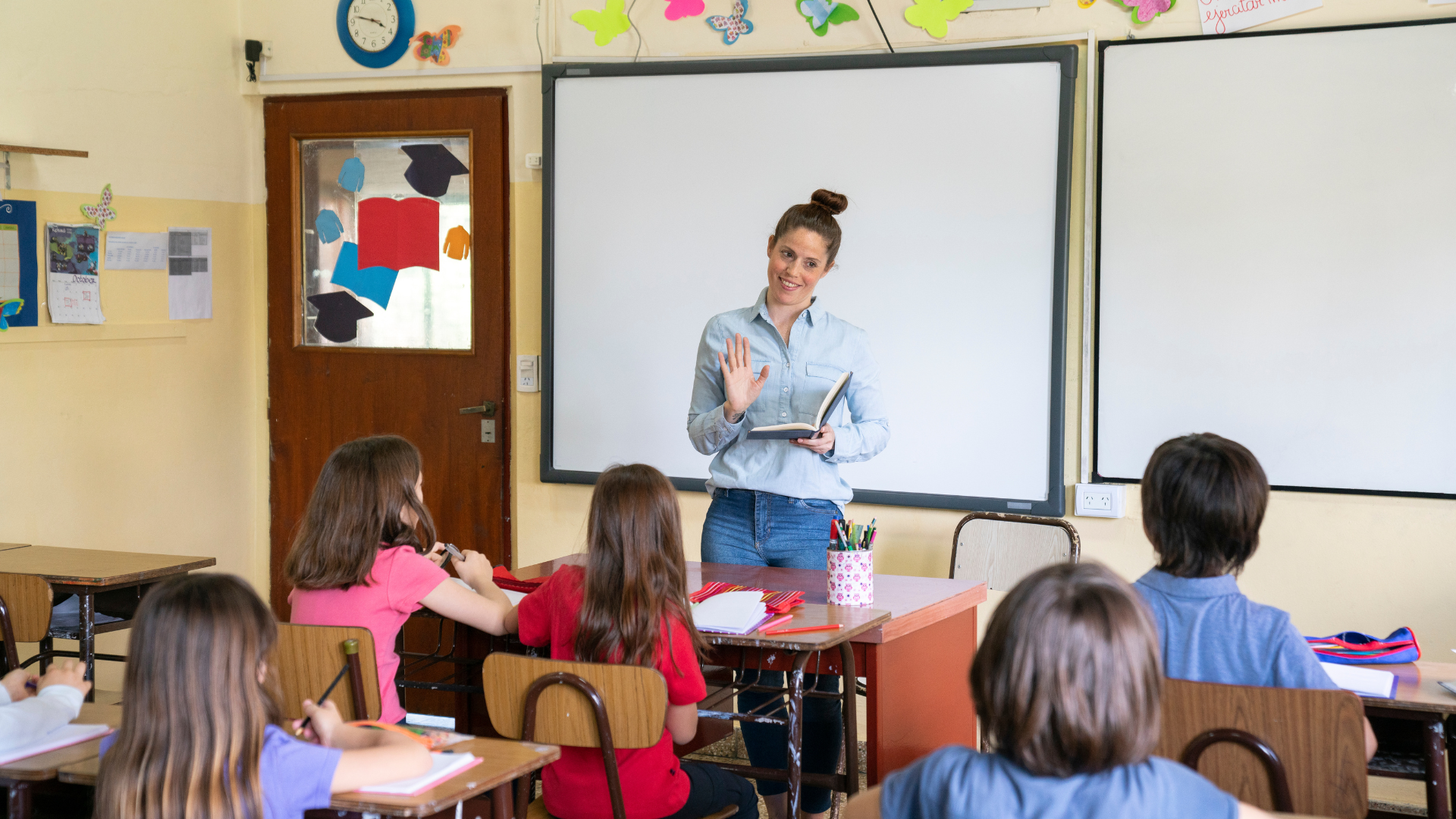
The Unsung Heroes of the Classroom
When we think of a successful classroom, we often imagine an inspiring teacher leading the way. But behind many great classrooms is an Education Assistant providing crucial support—quietly, consistently, and with enormous impact.
Whether you’re considering this rewarding career or hiring someone for the role, it’s important to know what truly makes a Teacher Assistant not just good, but great.
1. Strong Communication Skills
Clear, respectful, and open communication is key. Education Assistants must communicate effectively with:
- Teachers (to align on learning goals)
- Students (to provide clear instruction or reassurance)
- Parents (in some cases, to update on progress)
- Other support staff (especially in inclusive classrooms)
Being able to listen well is just as important—sometimes more so.
2. Patience and Empathy
Working with students of all abilities and backgrounds requires patience—especially when progress is slow or behaviour is challenging. But more than just staying calm, great EAs show empathy. They understand what a student is going through and respond with care, not frustration.
This emotional intelligence builds trust—and trust builds confidence.
3. Adaptability
No two days in a classroom are the same. A great EA can shift gears quickly:
- One moment supporting a literacy task
- The next, assisting a student with complex needs
- Then helping manage a classroom during a tech hiccup
Being flexible, open-minded, and solution-focused is essential.
4. Knowledge of Child Development
Understanding how children learn—cognitively, emotionally, and socially—allows EAs to provide better support. They can recognise developmental milestones, learning difficulties, or signs a student may need more help, and flag these appropriately.
It’s not about diagnosing, but about being aware and informed.
5. Teamwork and Initiative
Education Assistants are part of a team. They must follow the teacher’s lead, but also contribute their own observations and ideas. The best EAs don’t just wait for direction—they step up when they see a need, and always aim to lighten the teacher’s load.
Collaboration, respect, and initiative go a long way.
6. Organisation and Reliability
From preparing resources to keeping records or supervising groups, an EA’s reliability and organisation help classrooms run smoothly. Teachers—and students—need to know they can count on them.
Showing up on time, staying prepared, and following through builds trust with the whole school community.
7. A Commitment to Inclusion
In many classrooms, EAs work with students who have additional needs—whether physical, behavioural, or learning-based. A great EA is inclusive by default. They believe every child deserves a fair chance and adapt their support to meet individual needs.
In Western Australia, for example, many Education Assistants complete training focused on working with neurodiverse students, Aboriginal students, or students with disabilities. It’s about equitable learning for all.
Final Thoughts
Education Assistants might not always be front and centre—but their impact is undeniable. They build relationships, fill learning gaps, calm anxieties, and bring joy into the school day. In short, they’re the heartbeat of many classrooms.
Whether you’re just starting your journey as an EA, or you’re already in the role looking to grow, focusing on these core qualities will help you thrive—and make a real difference in students’ lives.
